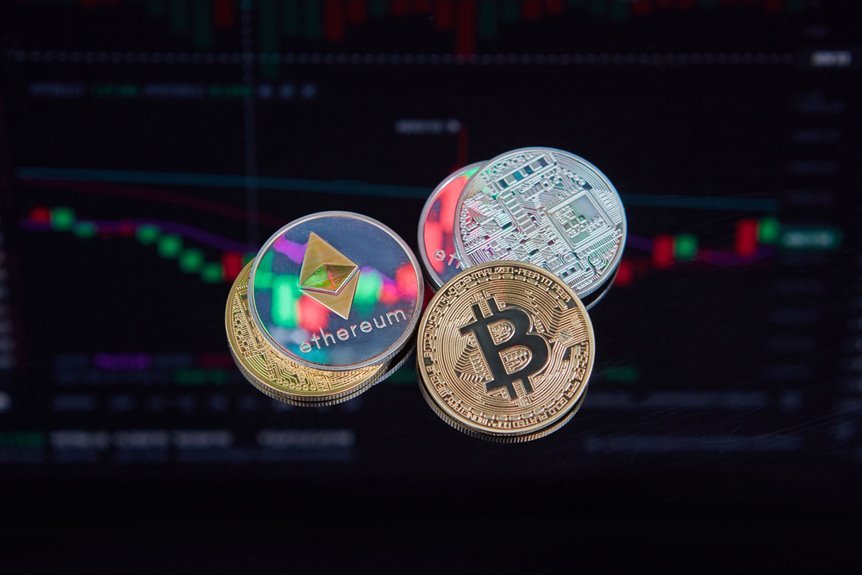
Tokenization is revolutionizing how you interact with real-world assets, turning them into easily tradable digital tokens on a blockchain. This process not only enhances liquidity but also opens investment opportunities across various sectors. As you explore the implications of tokenization, you’ll find it reshapes ownership and access in ways that could redefine your financial landscape. What are the key factors driving this transformation, and how can you leverage them?
Understanding Tokenization: What It Is and How It Works
Tokenization is a transformative process that converts real-world assets into digital tokens on a blockchain.
This method creates a digital representation of physical assets, enhancing asset liquidity by enabling fractionated ownership and efficient trading.
Why You Should Consider Tokenizing Your Assets
Converting real-world assets into digital tokens offers numerous advantages that can significantly impact your financial strategy.
By tokenizing, you enhance investment opportunities and improve asset liquidity, making your holdings more attractive.
Furthermore, blockchain technology ensures ownership verification, reducing fraud risks.
This process also boosts market accessibility, enabling you to reach a broader audience and diversify your portfolio efficiently.
Consider tokenization for these vital benefits.
Where Is Tokenization Making an Impact?
The impact of tokenization is becoming increasingly evident across various sectors, revolutionizing how assets are managed and traded.
In real estate, fractional ownership is democratizing access. Art ownership is now more accessible through digital tokens.
Supply chain transparency improves, enhancing digital identity verification.
Tokenization fosters financial inclusion, protects intellectual property, and empowers renewable energy projects and crowdfunding platforms, driving innovation and efficiency.
Emerging Trends in Tokenization
Recent advancements in technology and regulation are shaping the future landscape of asset tokenization.
You’ll see trends like enhanced digital identity protocols facilitating secure transactions and fractional ownership models increasing market liquidity.
However, regulatory challenges persist, particularly in asset verification processes.
As technological advancements continue, the focus will shift to finding solutions that balance innovation with compliance, enabling broader participation in tokenized markets.
Conclusion
In essence, tokenization is like turning a classic painting into thousands of digital prints—each one accessible and owned by different people. As you consider tokenizing your assets, remember that this approach not only democratizes investment but also enhances liquidity and transparency. With the market evolving, embracing tokenization could place you at the forefront of a financial revolution, where ownership is redefined and opportunities multiply, much like a vibrant art gallery open to all.