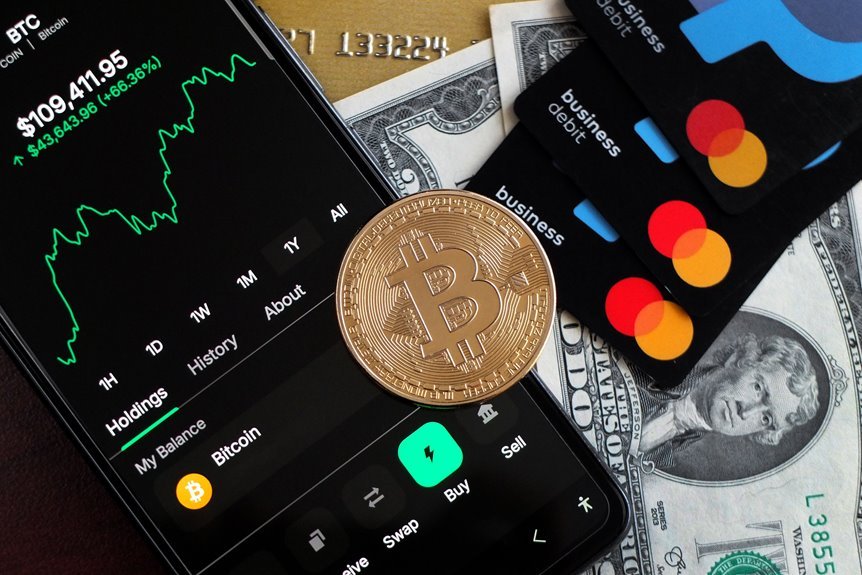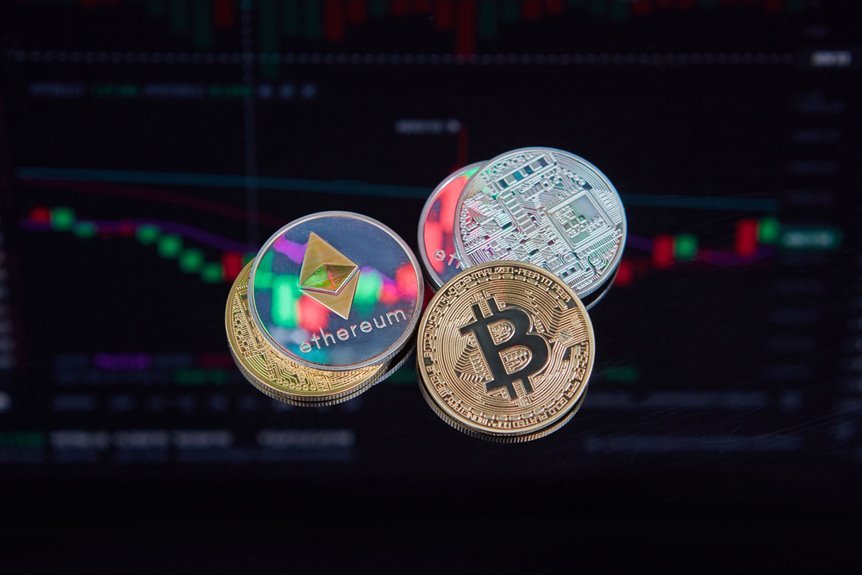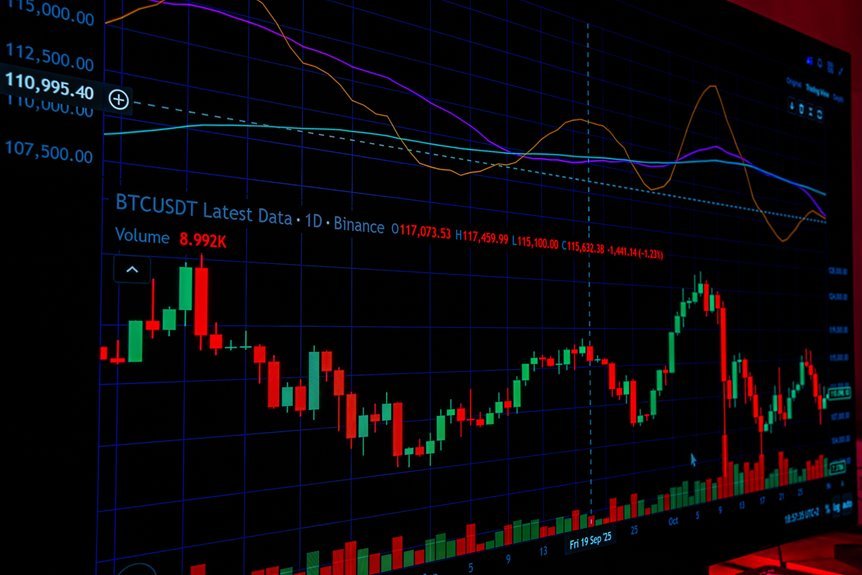
Decentralized exchanges (DEXs) are changing how you approach crypto trading by eliminating intermediaries. This shift enhances your control and privacy while offering a variety of trading pairs through liquidity pools. However, you must consider potential risks, such as liquidity issues and smart contract vulnerabilities. As new trading algorithms and governance tokens emerge, the landscape is evolving. What implications will these changes have for your trading strategies and overall market dynamics?
What Are Decentralized Exchanges (DEXs) and Why Should You Use Them?
Decentralized exchanges (DEXs) represent a transformative shift in the cryptocurrency trading landscape, allowing users to trade directly without intermediaries.
By utilizing liquidity pools, you gain access to a diverse array of trading pairs, enhancing your trading experience.
Furthermore, DEXs prioritize user privacy, enabling you to conduct transactions without disclosing personal information, ultimately empowering you to maintain control over your assets and data.
Advantages of DEXs vs. Centralized Platforms
While DEXs prioritize user autonomy and privacy, they also present a range of advantages over centralized trading platforms.
You benefit from enhanced user anonymity, as transactions occur directly between wallets without intermediaries.
Additionally, liquidity provision is often more robust, allowing for better trading conditions.
This decentralized structure empowers you, reducing reliance on centralized entities and fostering a truly peer-to-peer trading environment.
What Risks Should You Consider With DEXS?
When engaging with decentralized exchanges (DEXs), it’s crucial to recognize the inherent risks that accompany their advantages.
You might face liquidity challenges that can hinder trade execution or lead to slippage.
Additionally, smart contract vulnerabilities pose significant threats, as bugs or exploits can result in financial losses.
Understanding these risks is essential for navigating the decentralized trading landscape effectively.
Future Trends in Decentralized Trading Solutions
As you navigate the evolving landscape of decentralized exchanges, it’s important to consider the future trends shaping trading solutions.
Expect enhanced liquidity pools and innovative trading algorithms to improve user experiences. Governance tokens will empower communities, while new fee structures and cross-chain compatibility will address market volatility.
Staying aware of emerging regulatory frameworks will be crucial for adapting to these dynamic changes.
Conclusion
In navigating the evolving landscape of decentralized exchanges, you’re not just trading assets; you’re participating in a transformative shift toward autonomy and transparency. Coincidentally, as you embrace this user-centric model, you also confront the inherent risks that challenge the very essence of decentralization. Balancing opportunity with caution, your choices today shape not only your portfolio but also the future of crypto trading itself. In this dance of innovation and vigilance, the power truly lies in your hands.