In the new era of digital transformation, product success is defined not just by technological capability but by how well it understands and serves the user. Businesses today face immense pressure to deliver experiences that are intelligent, intuitive, and continuously evolving. The convergence of UI design services, artificial intelligence (AI), and usability testing services has emerged as the secret formula for building digital products that don’t just perform they feel intelligent, human, and deeply engaging.
Alongside this evolution, a growing number of organizations are partnering with a custom AI development company to bridge creativity and computation—giving rise to the new standard in digital product innovation.
The Shift Toward Experience-Centric Digital Products
For years, product teams focused heavily on functionality and speed. But the modern digital consumer expects more—personalized experiences, natural interactions, and interfaces that adapt effortlessly. This paradigm shift calls for UI design services that go beyond aesthetics and translate complex intelligence into intuitive workflows.
The best digital products today blend emotional design with data-driven logic. Artificial intelligence enables this balance by analyzing user behavior, predicting needs, and even suggesting design optimizations in real time. For instance, an AI-powered application can analyze how users interact with a dashboard and automatically recommend layout changes to enhance accessibility.
This fusion of intelligent interfaces and usability insight is redefining how companies measure product quality no longer by features alone, but by how effortless and personalized the experience feels.
The Role of Custom AI in Modern UI Design
A custom AI development company plays a pivotal role in making these adaptive experiences possible. Unlike pre-built AI tools, custom AI solutions are trained on domain-specific data and designed to align with a brand’s unique context and goals.
For example, in e-commerce, AI models can analyze browsing data to personalize visual recommendations; in healthcare apps, they can simplify data presentation for better comprehension; in enterprise dashboards, predictive analytics can tailor information hierarchy based on role or task priority.
Here’s how AI enhances UI design directly:
- Design Automation: AI can generate interface layouts or color combinations based on brand identity and accessibility standards.
- Real-Time Optimization: Machine learning models identify friction points and proactively adjust interface elements.
- Behavior Prediction: Predictive models anticipate user actions, reducing cognitive load and interaction steps.
- Personalization: Generative AI systems craft individualized design experiences that evolve with user behavior over time.
When a custom AI development company collaborates with UI designers, the result is a product ecosystem that learns, adapts, and delivers experiences unique to each user.
Enhancing User Experience Through Usability Testing
Even the most sophisticated AI-powered interface can fail if it’s not intuitive for real users. That’s why usability testing services remain essential to the product development cycle.
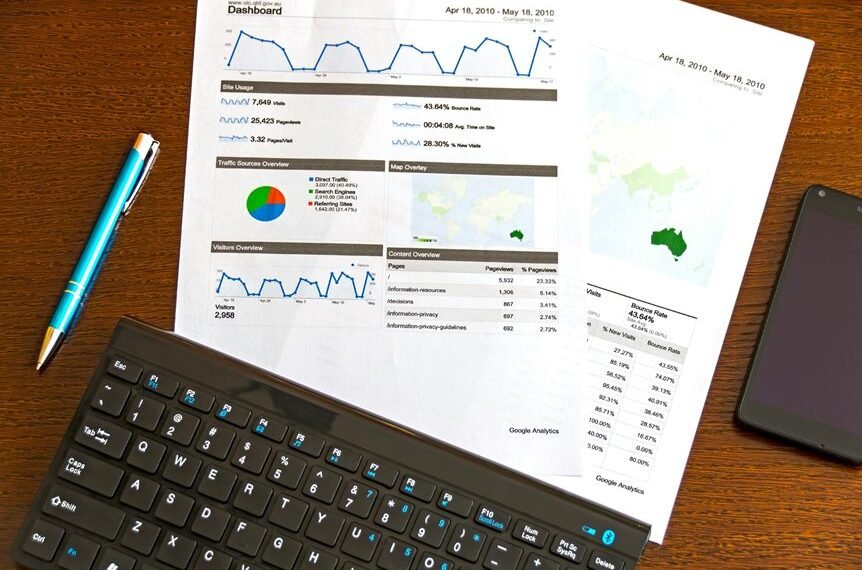
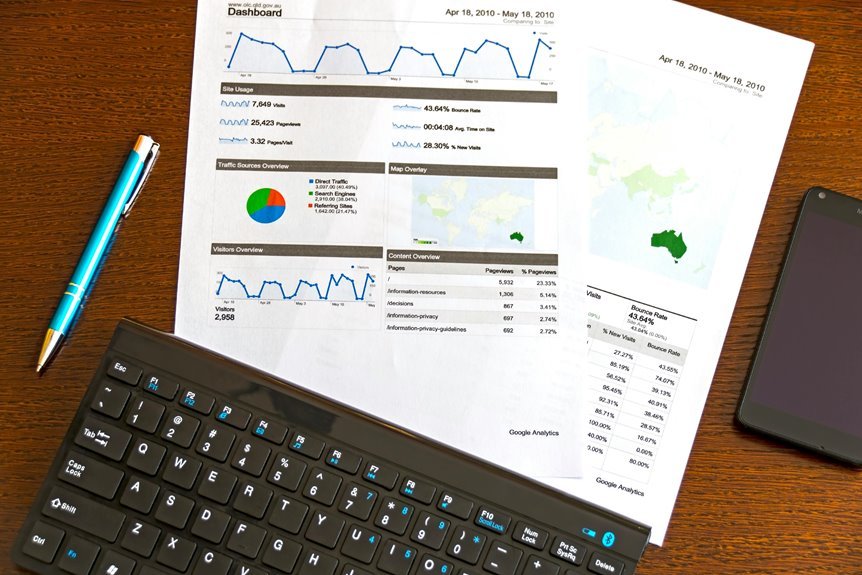
Usability testing focuses on observing how users interact with an interface identifying where they struggle, hesitate, or misunderstand. When paired with AI analytics, this process becomes even more powerful. AI can analyze session recordings or heatmaps at scale, detect recurring issues, and suggest design refinements automatically.
For example:
- AI-based testing platforms can uncover subtle behavior patterns that human testers might miss.
- Predictive usability metrics can help teams understand how new design changes may impact conversion before deployment.
- Emotional analysis tools can even gauge user sentiment during interaction, helping refine tone and messaging within UI elements.
Combining usability testing services with AI-driven insights ensures that every design decision is informed by both data and empathy leading to experiences that feel natural, seamless, and emotionally resonant.
The Business Impact of Integrating Design, AI, and Testing
When UI design services, usability testing services, and a custom AI development company work together, businesses unlock a competitive edge that goes far beyond visuals. The benefits are both strategic and measurable:
- Higher User Retention: Personalized, frictionless experiences keep users engaged longer.
- Accelerated Innovation: AI-driven feedback shortens design sprints and time-to-market.
- Reduced Development Costs: Continuous testing and automation lower rework expenses.
- Enhanced Accessibility: Adaptive UI elements make products inclusive and easier to navigate.
- Data-Backed Design Decisions: Real-time analytics replace assumption-based iteration cycles.
This synergy ensures that every digital touchpoint whether an app, platform, or product interface works smarter for both users and businesses.
Future Outlook: The Harmony of AI and Human Design
The future of digital product design lies in seamless collaboration between machines and designers. As AI learns from user behavior, design systems will become adaptive, continuously evolving in response to real-world interactions.
The next generation of UI design services will likely incorporate:
- Voice and Emotion-Based Interfaces that adapt tone and visuals based on mood recognition.
- Predictive Layouts that dynamically reconfigure themselves for task efficiency.
- Generative Design Tools that co-create with designers instead of simply executing instructions.
In this ecosystem, usability experts, AI engineers, and designers share one goal—to craft experiences that are not only efficient but also empathetic, inclusive, and fulfilling.
FAQs
1. What exactly are UI design services?
UI design services focus on creating user interfaces that are visually appealing, logically structured, and easy to navigate. They play a key role in ensuring that digital products deliver clear, consistent, and enjoyable interactions.
2. How do usability testing services improve UI design?
Usability testing services evaluate how real users interact with a product, revealing pain points or confusion within an interface. These insights guide designers in refining layouts, navigation, and functionality for better overall user satisfaction.
3. Why should businesses work with a custom AI development company?
Partnering with a custom AI development company allows businesses to integrate artificial intelligence tailored specifically to their operational needs. Unlike generic tools, custom AI aligns with unique workflows, datasets, and customer experiences.
4. Can UI design and AI work together effectively?
Absolutely. AI enhances UI design services by providing real-time data analysis, personalization capabilities, and adaptive layouts. When design and AI are integrated, interfaces become more intuitive, responsive, and user-centric.
5. What industries benefit most from combining UI design, AI, and usability testing?
Virtually all industries can benefit—from healthcare apps that simplify data visualization to fintech platforms improving transparency through intelligent dashboards. E-commerce, education, and enterprise software sectors especially thrive when usability testing services, AI, and design collaborate.
See also: The Pediatric Switch: Ensuring Your AED is Ready for Every Victim
Final Thoughts
The digital landscape is entering a new era where design, data, and intelligence converge. Businesses that bring together UI design services, usability testing services, and the innovation power of a custom AI development company aren’t just keeping pace they’re setting the pace.
The result is a new class of digital products that don’t just work well—they think, learn, and feel right. And that’s the true standard of modern innovation: intelligent design born from the harmony of human creativity and machine insight.